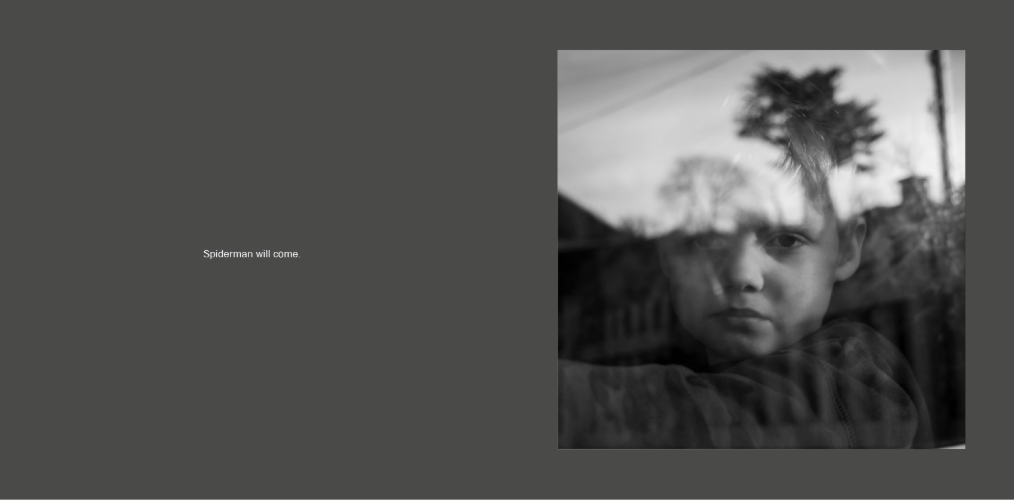
• I cant go on like this

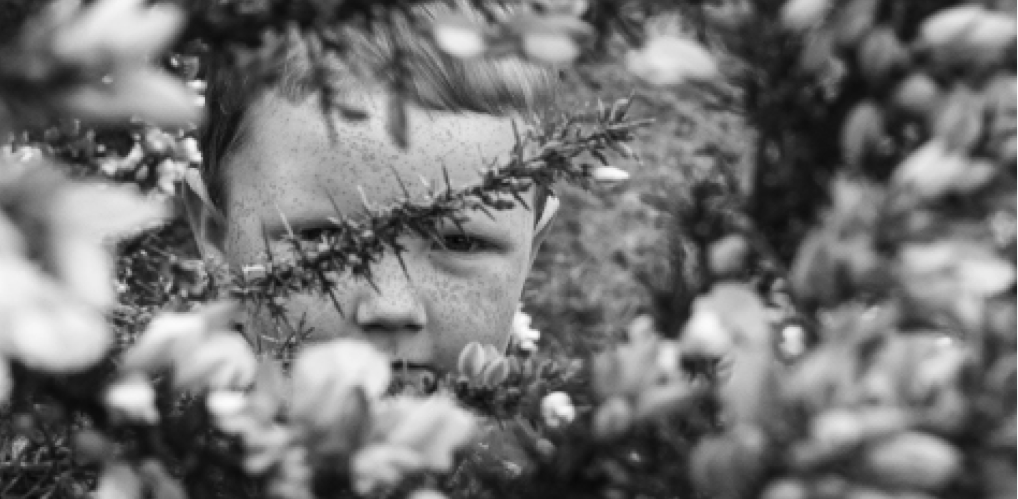
    I have battled with anxiety for a large part of my life and one of the more severe symptoms known as derealisation / depersonalisation can be quite scary and make you feel hopeless or just plain crazy. It is a product of heightened anxiety over a very long period of time and this debilitating curse causes you to question your own reality even when you’re standing in it.

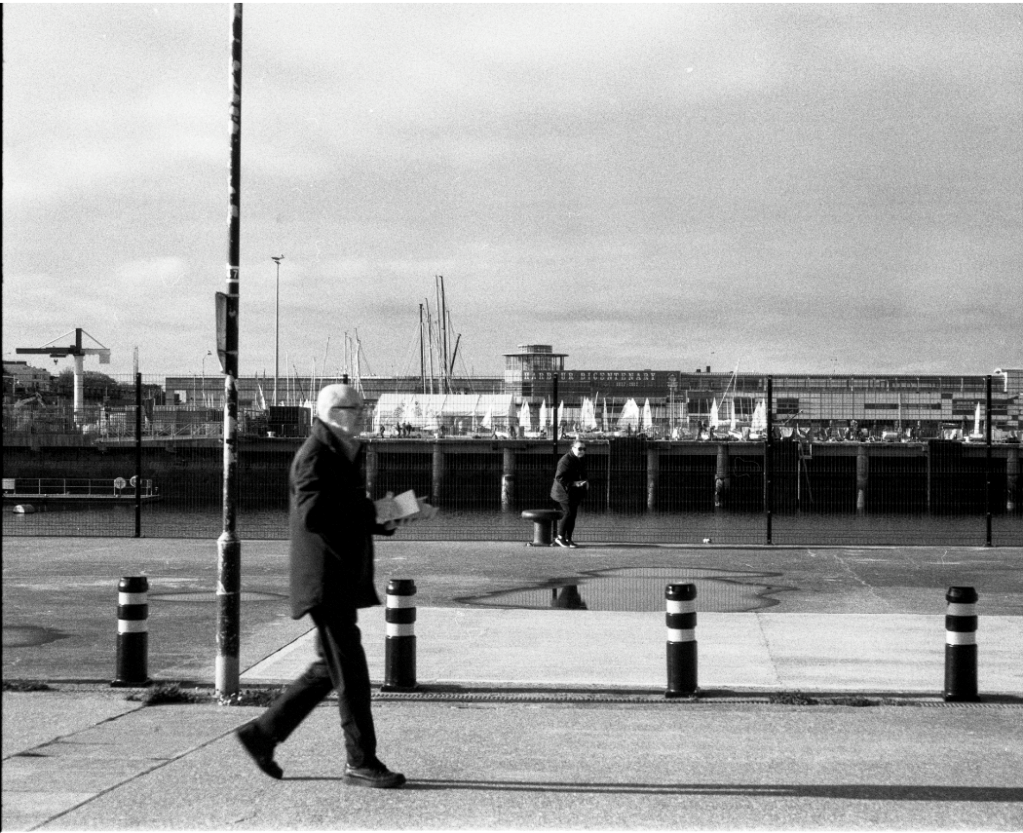
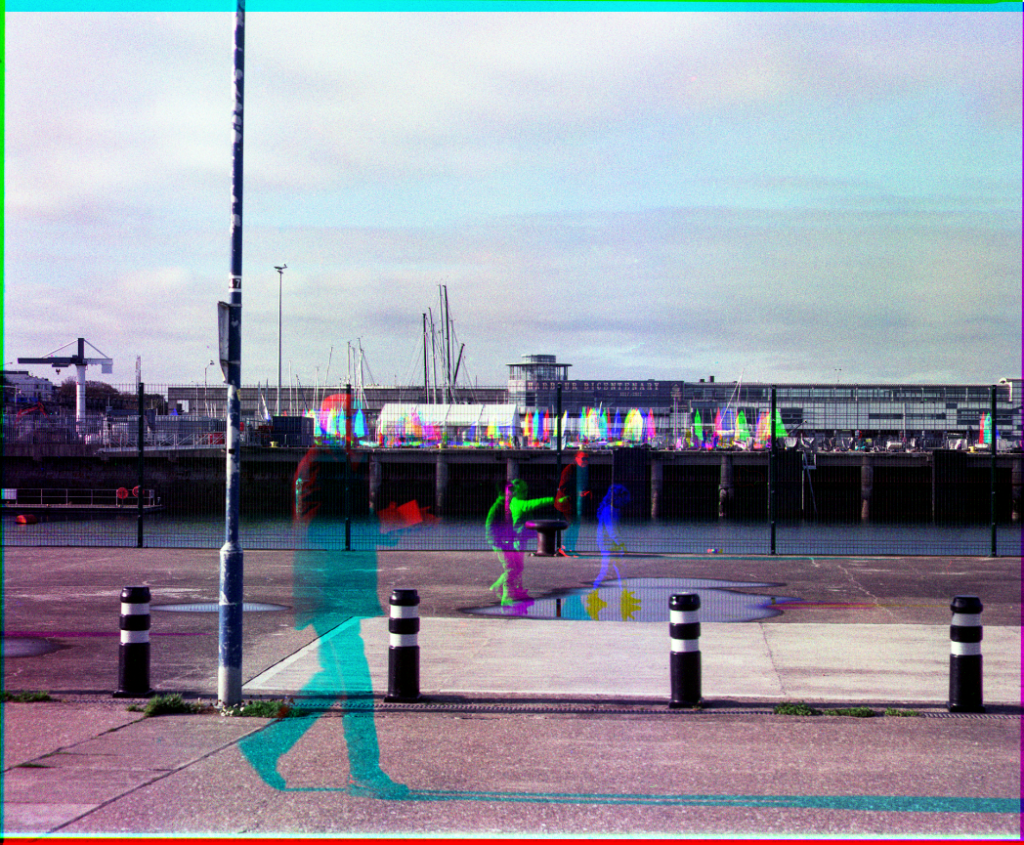
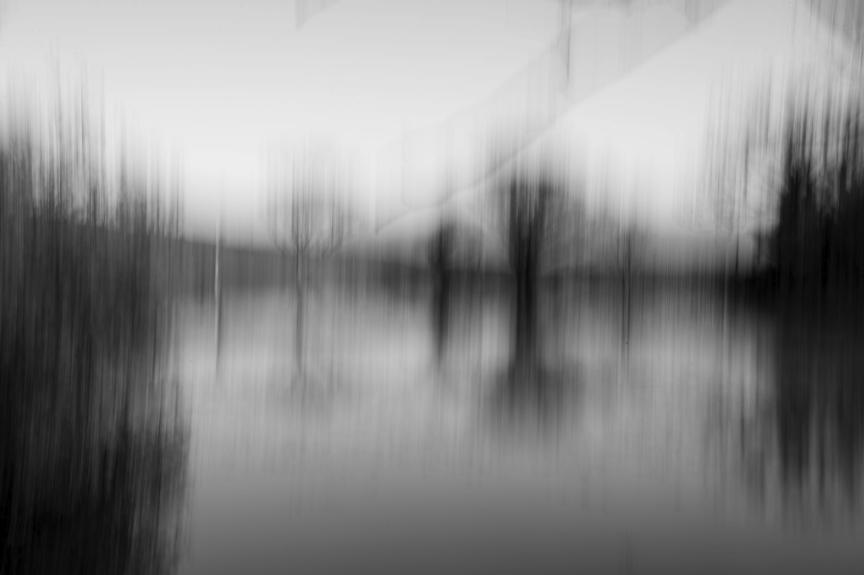
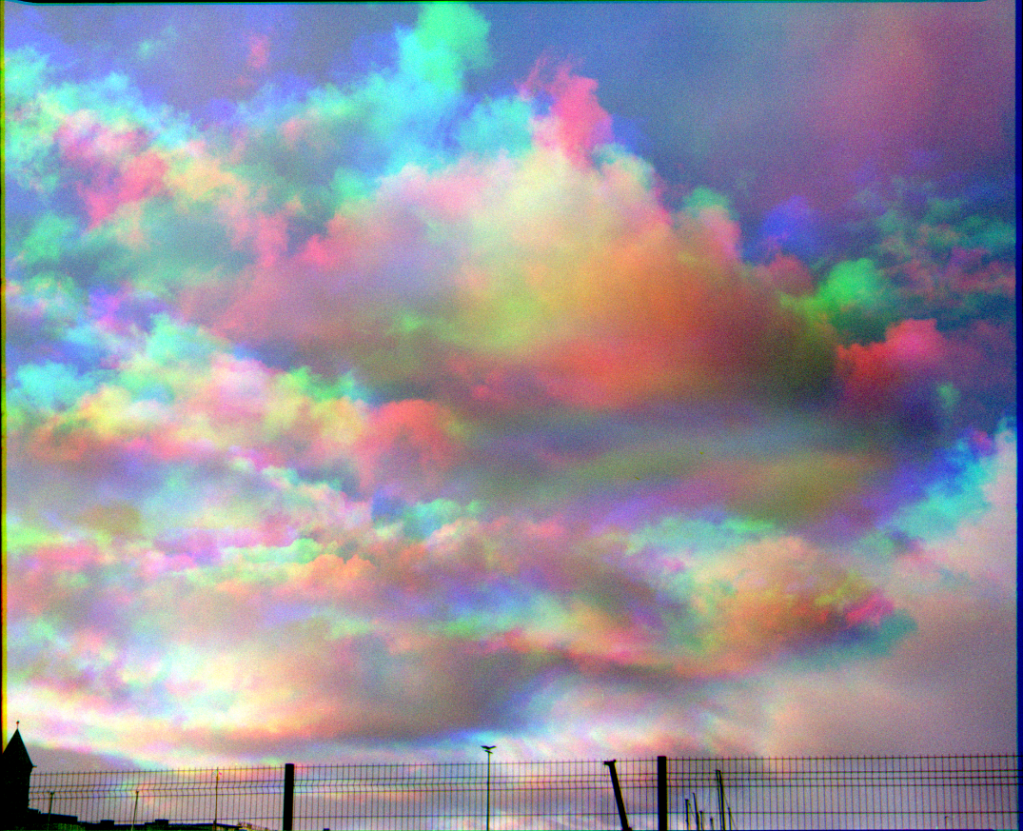
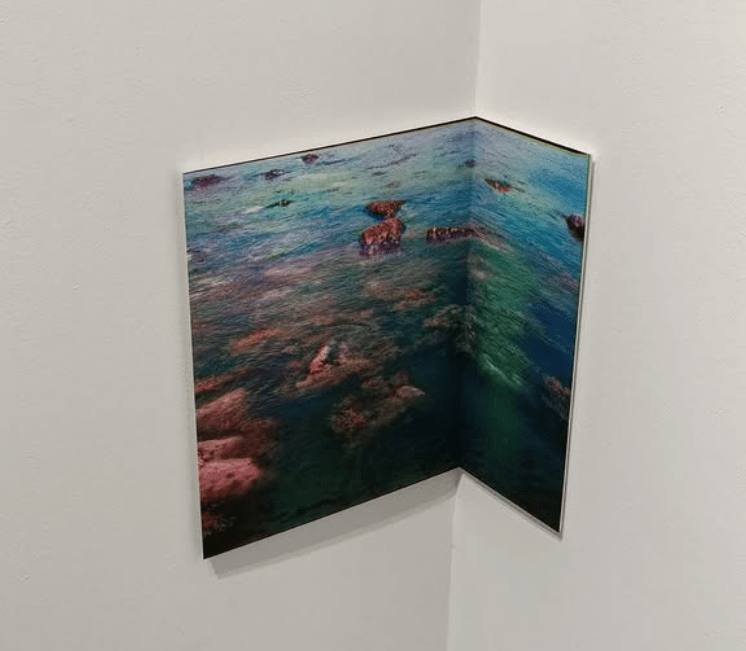
    Using trichromatic photography as a way to visually represent derealisation, this project shows a reality in colour that isn’t quite right. Something is off and I find there is a sense of disturbing beauty in the results. Ghost forms of the world moving around me are recorded in red, green and blue. Every photograph presents itself as truth but has become inherently a lie due to its manipulation of time and space.
    One day I stood in a shopping centre, unmoving. I could not recall in that moment how I came to be in this spot, a fog clouded my thoughts, people walked by me unaware of my turmoil, they were only a blur in my eyes, my heart raced as I began to ground myself and take a step forward.

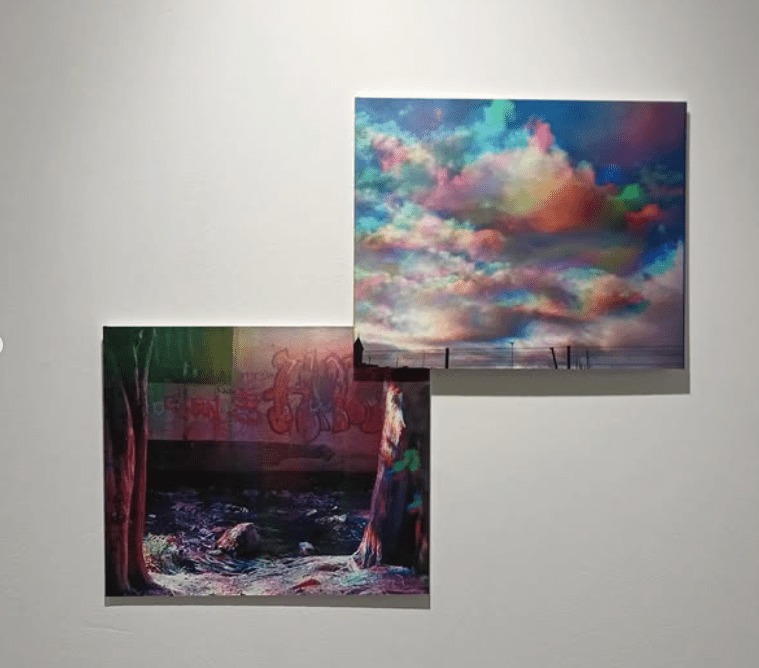
    My exhibition space in the DIVA Gallery in Dun Laoghaire last December became a photographic representation of how I felt that day, and so many other days.
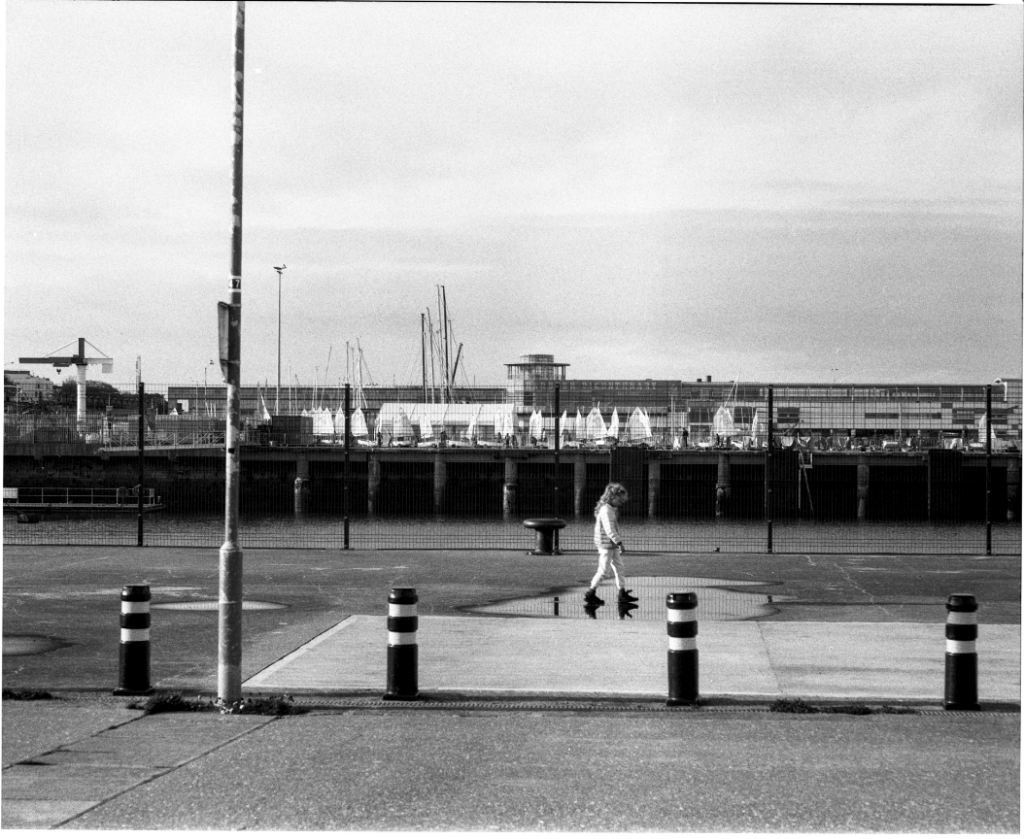
    I physically altered the photographs by layering, cutting and folding them in the space to create the feeling of unreality.
  • Drifting

    Drifting is an intimate yet universally resonant exploration of the aftermath of separational trauma. This installation art piece blends photography and the spoken word to articulate the complex journey of a man finding his way through lone parenthood. Navigating this new life without a partner, he assumes the roles of both mother and father for his three children, all while seeking moments of mourning within the confines of his domestic environment. Taking inspiration from the artists Clare Gallagher and Christian Boltanski, Drifting reveals the domestic space conceptually in both the visual narrative and in the physical object of a photograph.

    A year leading up to this project my partner of fourteen years left me. It took me a long time after the separation to find my love for art again because I was so focused on my kids and making sure they were safe and happy. I decided for this last exhibition in my final year of college to create a response to this grief through my photography and other supporting art forms. 


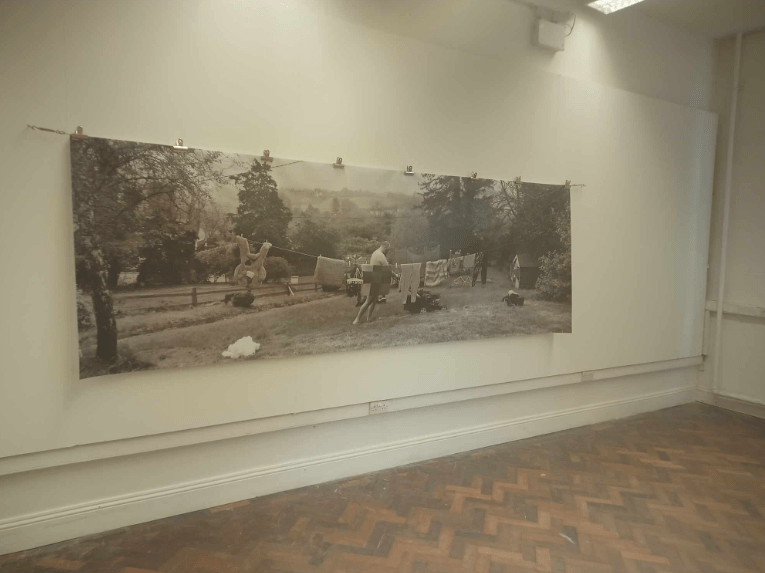
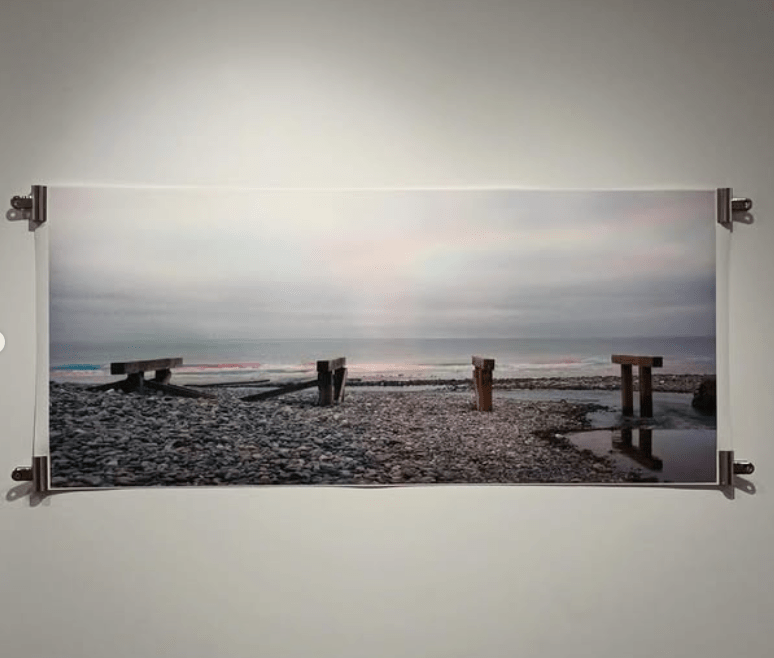
    After the separation there were many noticeable quirks happening around the house and one of them was my eldest daughters connection to her teddy bear. Whether is was this sense of separation anxiety due to the situation or just something that was already there and I never noticed. The bear offered comfort, safety, love, allegiance and never left her side. I hoped the same could be said for myself as her father, I offered all these things even to my own detriment as I was exhausted both working and raising kids. This gave me the idea of using photography to create a conceptual narrative of me as the bear and about the depletion of my energy among other things. The following images are what I chose for the exhibition. The large image is 3.6 metres by 1.2 metres and is hanging reminiscent to a washing line.

    There is also an audio piece to be heard with the work. It has the dull repetitive sounds that can come with domestic life as a single parent and I can be heard speaking about some exchanges I had with my partner that is now absent. This lawnmower image was shortlisted for the Taylor Wessing Portait Prize.

  • Tumble Dryer

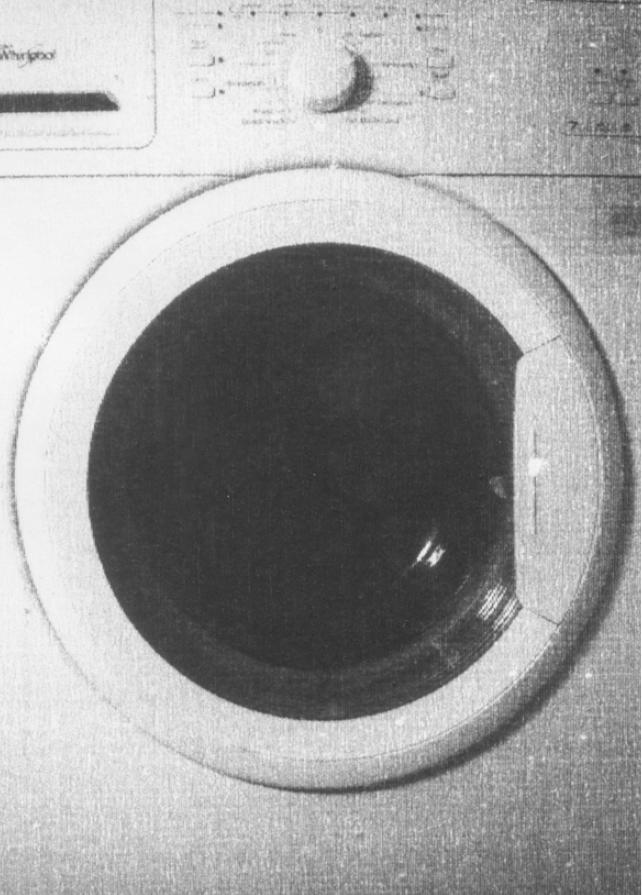
    Venturing into single fatherhood, Finbar Flanagan begins to understand the complexities of becoming the mother for his three children in their rural Irish home while still maintaining the father role. Bonds with many around him have been broken, but his connections with the children have grown to a point of indestructible faith and loyalty in one another. The inclusion of the children as the photographer, creates an equivalence between father and child in the often uncomfortable and melancholic imagery. This duality of the father as mother and the children as mother in her sudden absence has created a whirlwind of emotional turmoil in different forms for both Finbar and his three kids. An emotional roller coaster of unexpected turns and a mental haze that spins the mind as ever new controversies and injuctices threaten the family. They find themselves caught in this tumultuous cycle, as if they were in a tumble dryer.

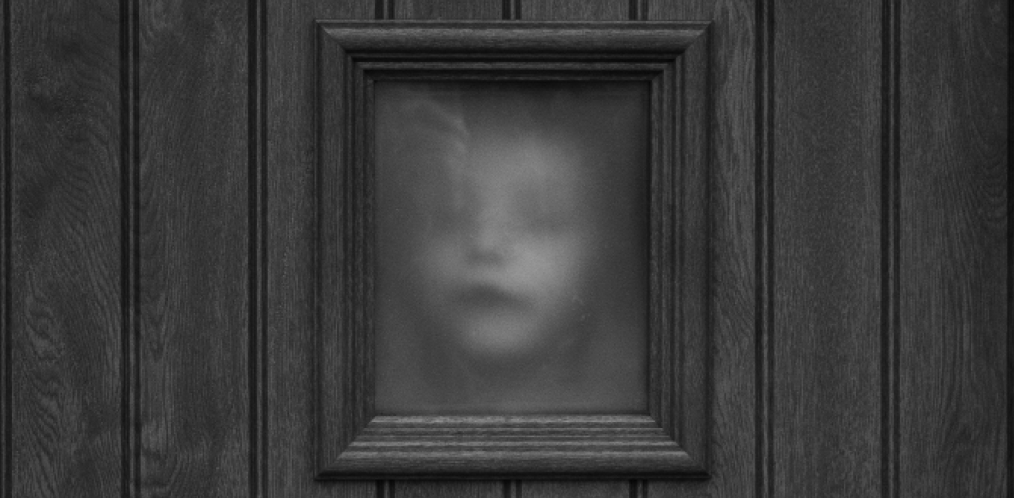
    In this project I used a cheap thermal printing camera that my daughter received as a gift. I wanted the thermal paper to obscure the images, but also to speak about the brittle nature of the situation that me and my children were going through.

    The children are never shown completely as a way of showing the viewer my own disconnected relationship with the public as a father. I was afraid on many fronts to reveal my children while they were going through a tough time at home with the separation.

  • Leviathan

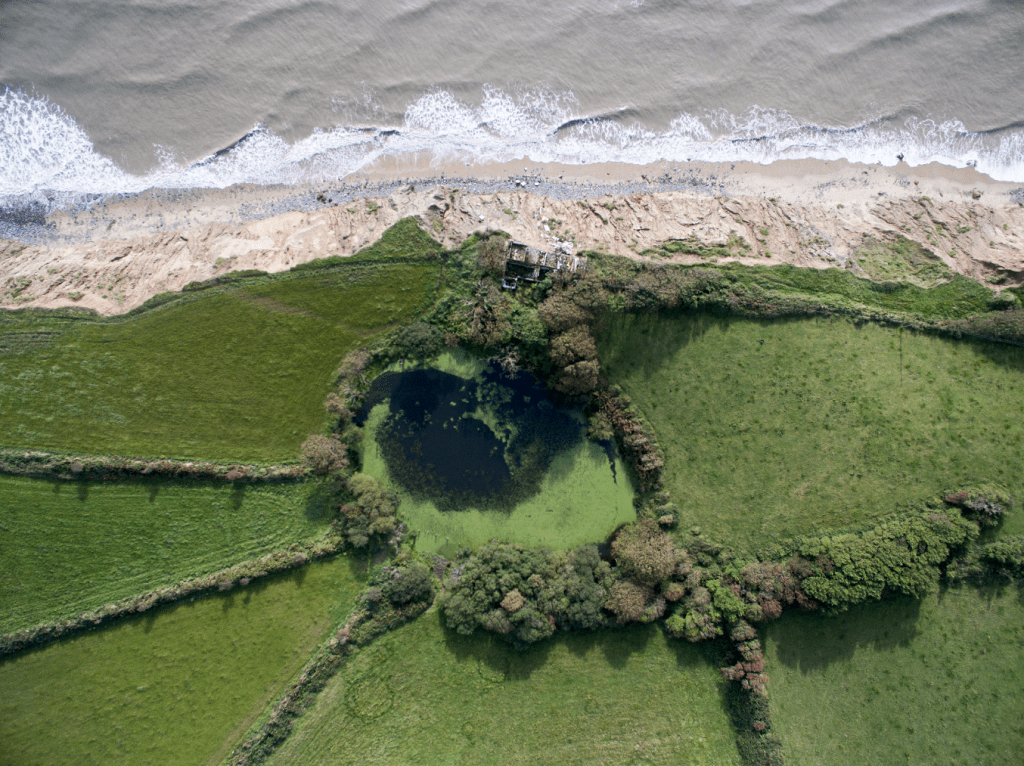
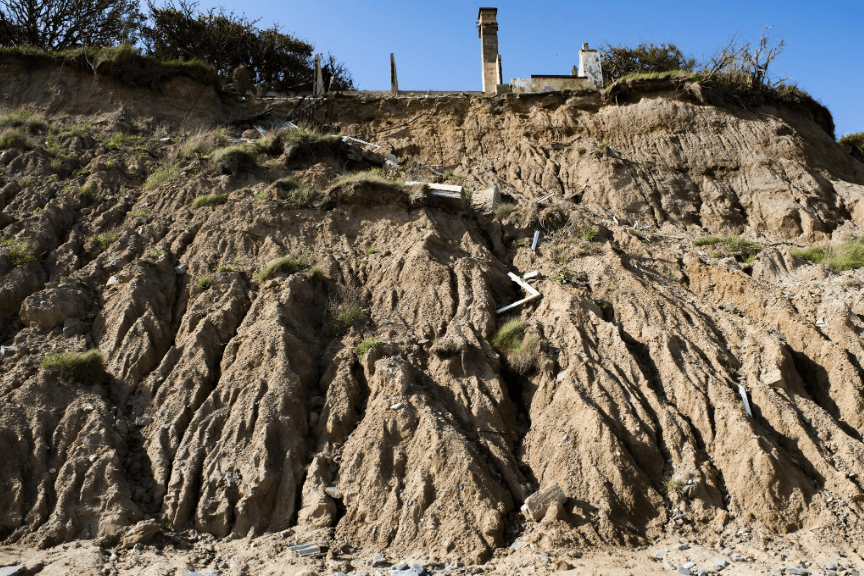
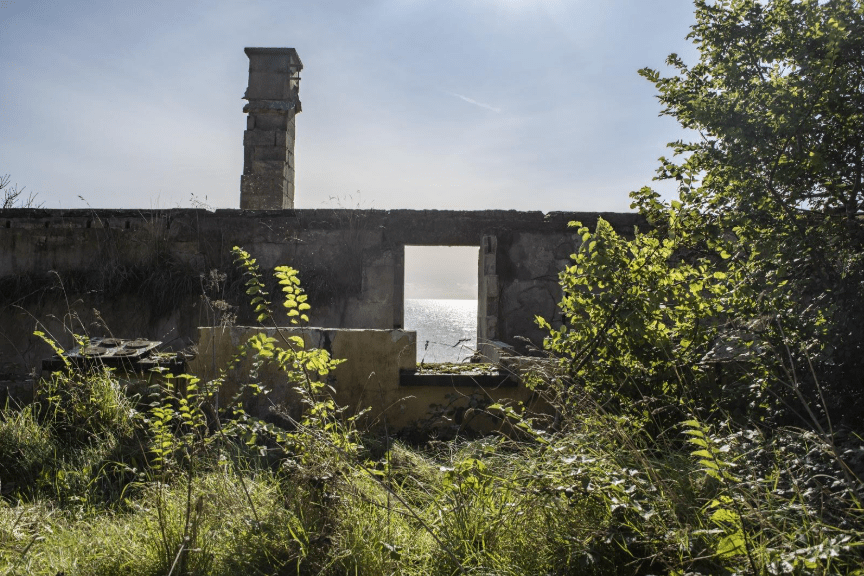
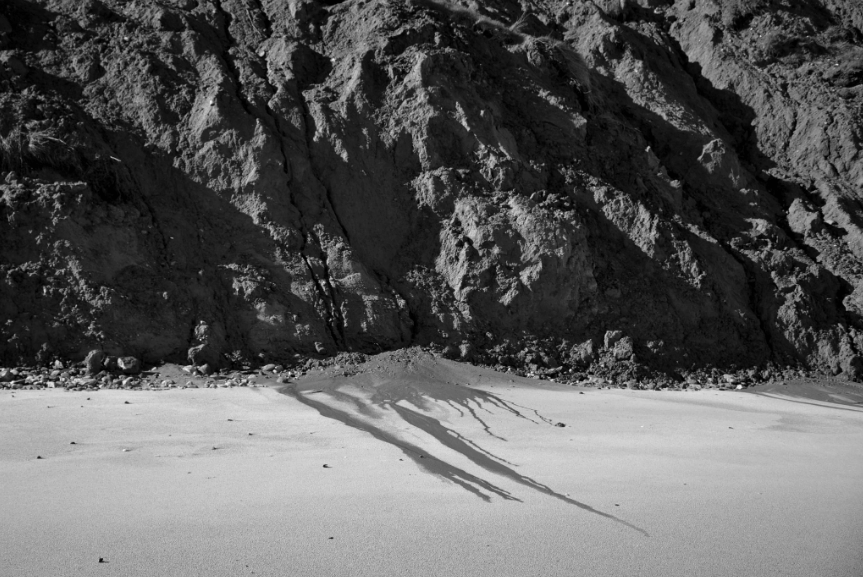
    As the title suggests, this project is about a monster of the sea, however I look more at the monstrous power of the sea rather than a mythological creature wrecking havoc. The shoreline of my home village of Blackwater has been eaten away continuously in my thirty three years living in the area and it has taken rock, sand, dirt, road, houses, electricity poles, fences and livestock down into its watery grave. This project looks at one particular property known as pond cottage as I have documented its decay and disappearance over the years.

    I used different mediums of art practices and story telling while working with pond cottage. These included photography in both documentary and concept approaches, found objects, screen print, aerial still and moving image and also the written word.

    The project has been ongoing for nine years so different parts of the building have been vanishing from the landscape on each return visit. The attached pond also approaches ever close to the bank where it will inevitably drain into the sea below after an unknown amount of time.

    As the cottage and pond was changing visually so was my style of making work. I was moving away from straight and documentary style imagery and starting to approach my subject s from a more conceptual mindset. While exploring thiis I tried different way’s of making art with screen printing photographs becoming my main focus.

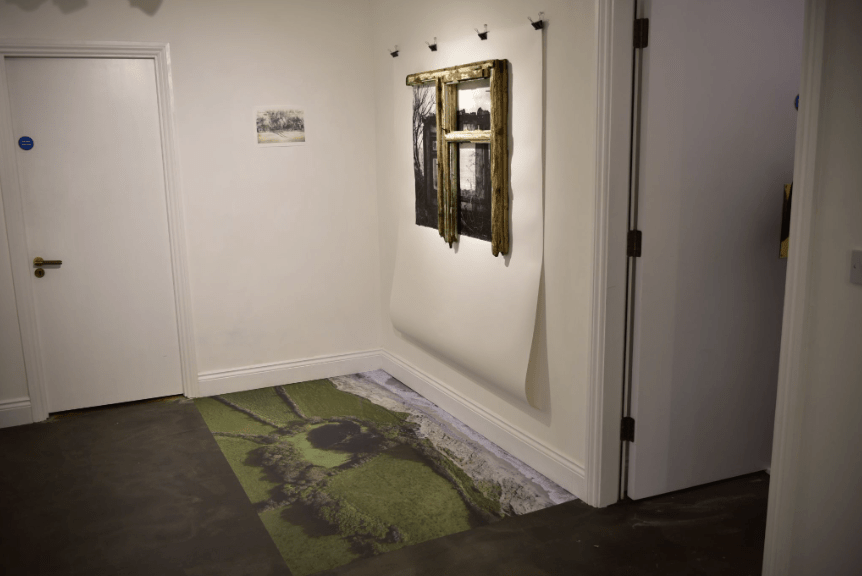
    I wanted to push the limits of my concept further for the exhibition and I was interested how I could instil the notin of lost memory in the area. That is when I had the idea of collecting objects from teh houses ruin at the bottom of the cliff. In paticular I found a window which I though had so many conceptual meanings regarding home, memory and the pane between the sea and the land.

    Pairing the physical window with the screen printed building it came from created a type of inclusion in the printed building and I played off this more by printing a large areal sticker of the bulding from above that you had to stand on to view the window.

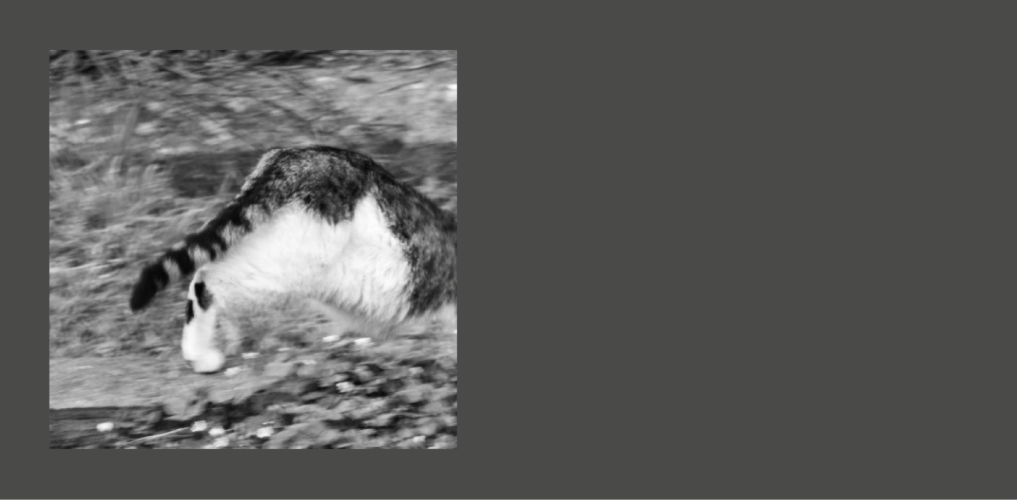
  • I don’t get to see cats

    I don’t get to see cats is an exploration of the voice of the child throughout the Covid 19 pandemic, visualising their emotional response to the restrictions and changes in their environment.

    The title of the book was one of the children’s responses to what they had realised in the the current 2020 lockdown.

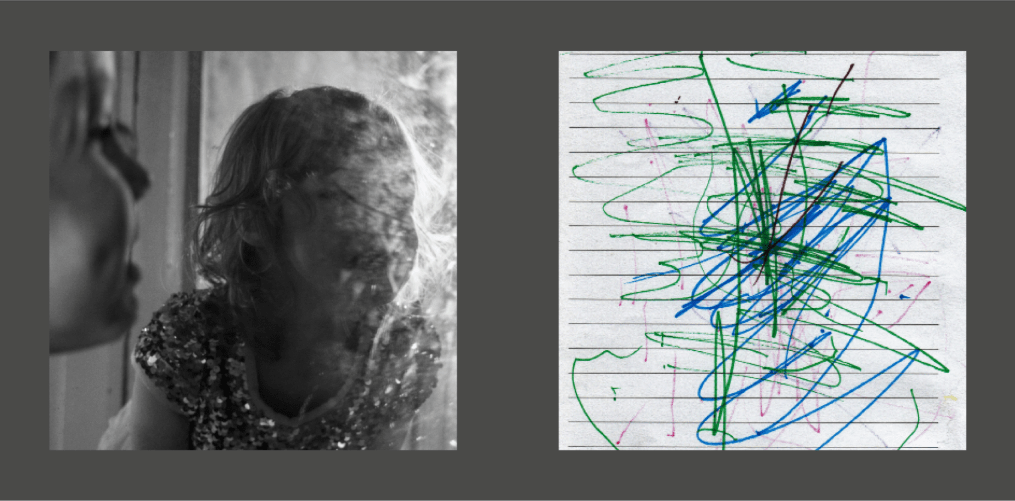
    I documented the children over a number of months recording conversations and asking them to draw pictures of what believed felt Covid 19 looked like or how it felt to them.

    Obscuring the children in the images was a way of visualising how their voices were not being heard as all the adults in their lives were in survival mode.

    I made images of elusive cats to play off the title of the book and to symbolise at the time of making this book that there seemed to be no end to the pandemic and would the girl get to see a cat again.